1. Food and Perishables
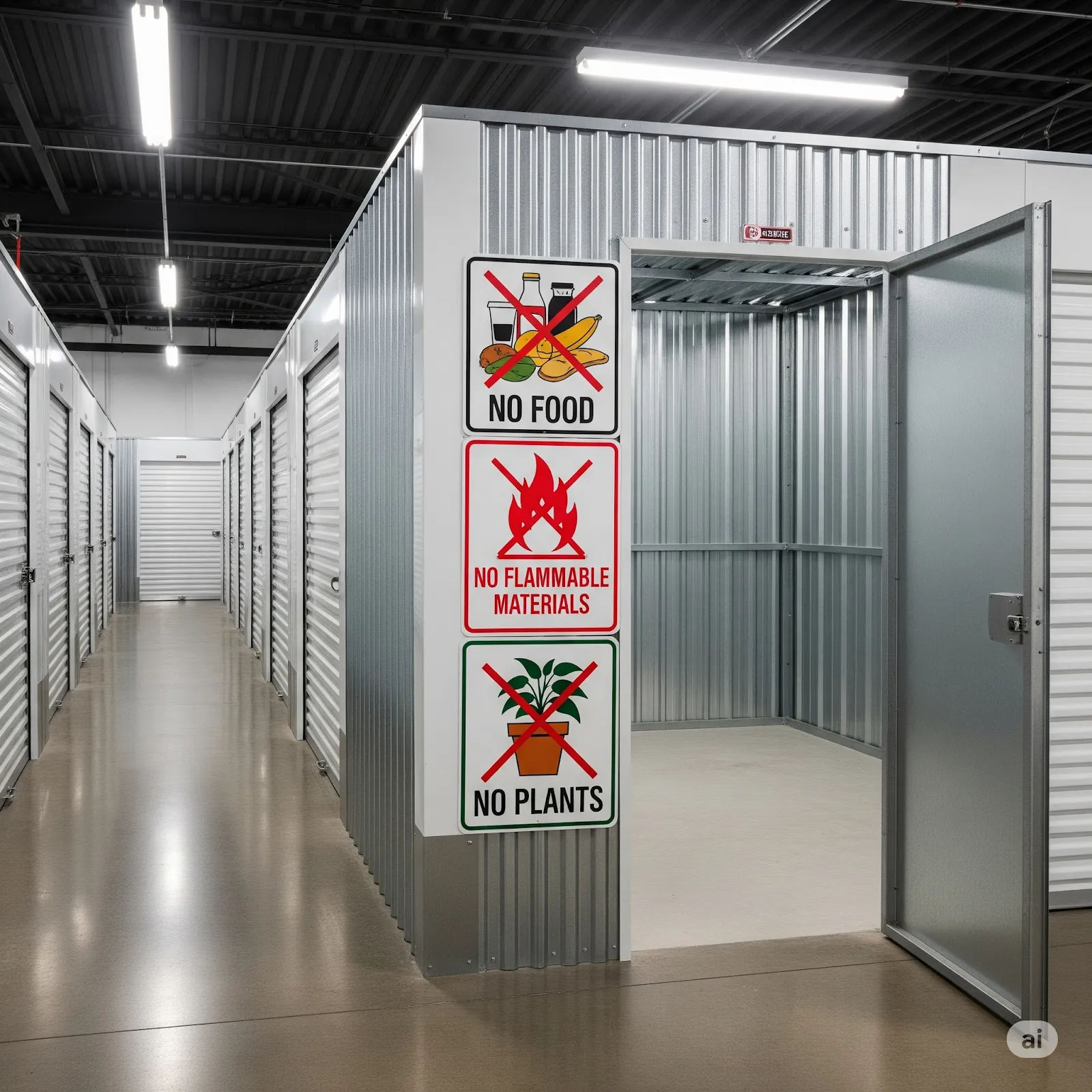
This includes everything from canned goods and dry pasta to pet food and protein bars. Even sealed, non-perishable food can attract rodents, insects, and other pests into your unit — and once pests are in, they spread to neighboring units and can damage everything you've stored.
The rule is simple: if it's edible, it doesn't belong in storage.
What to do instead: Donate unopened food before a move or consume it before your storage period begins.
2. Flammable and Hazardous Materials
Gasoline, propane tanks, paint, motor oil, fireworks, pesticides, cleaning solvents, and compressed gas canisters are all prohibited at virtually every storage facility. These materials are fire hazards and can become volatile in enclosed, temperature-fluctuating spaces.
Beyond the fire risk, many of these substances are regulated by law and their improper storage can result in fines or criminal liability.
What to do instead: Dispose of hazardous materials through your local household hazardous waste program before moving into storage.
3. Wet or Damp Items
Storing anything that isn't completely dry is one of the most common mistakes new renters make. Wet items — appliances, upholstered furniture, rugs, clothing, mattresses — create moisture inside the unit, which leads to mold, mildew, and permanent damage to everything around them.
This is especially important if you're storing items after a move, a flood, or a home renovation.
What to do instead: Air out and thoroughly dry all items before storing. For extra protection in humid climates, consider a climate-controlled unit.
4. Illegal or Stolen Goods
Storage units are not a safe hiding place. Facilities are monitored by security cameras, and law enforcement can and does obtain warrants to search units when there's cause for suspicion. Storing stolen property or contraband can result in criminal charges, immediate lease termination, and loss of all stored belongings.
What to do instead: There's no workaround here — don't store anything illegal.
5. Living Creatures
No pets, no plants, no people. A storage unit is not a living space, and it's not a place to temporarily house animals. Units are not ventilated or temperature-regulated for living things, and leaving any creature inside — even briefly — is both dangerous and illegal.
Facilities take this seriously. Violations can result in immediate eviction from the facility.
6. Unregistered or Inoperable Vehicles
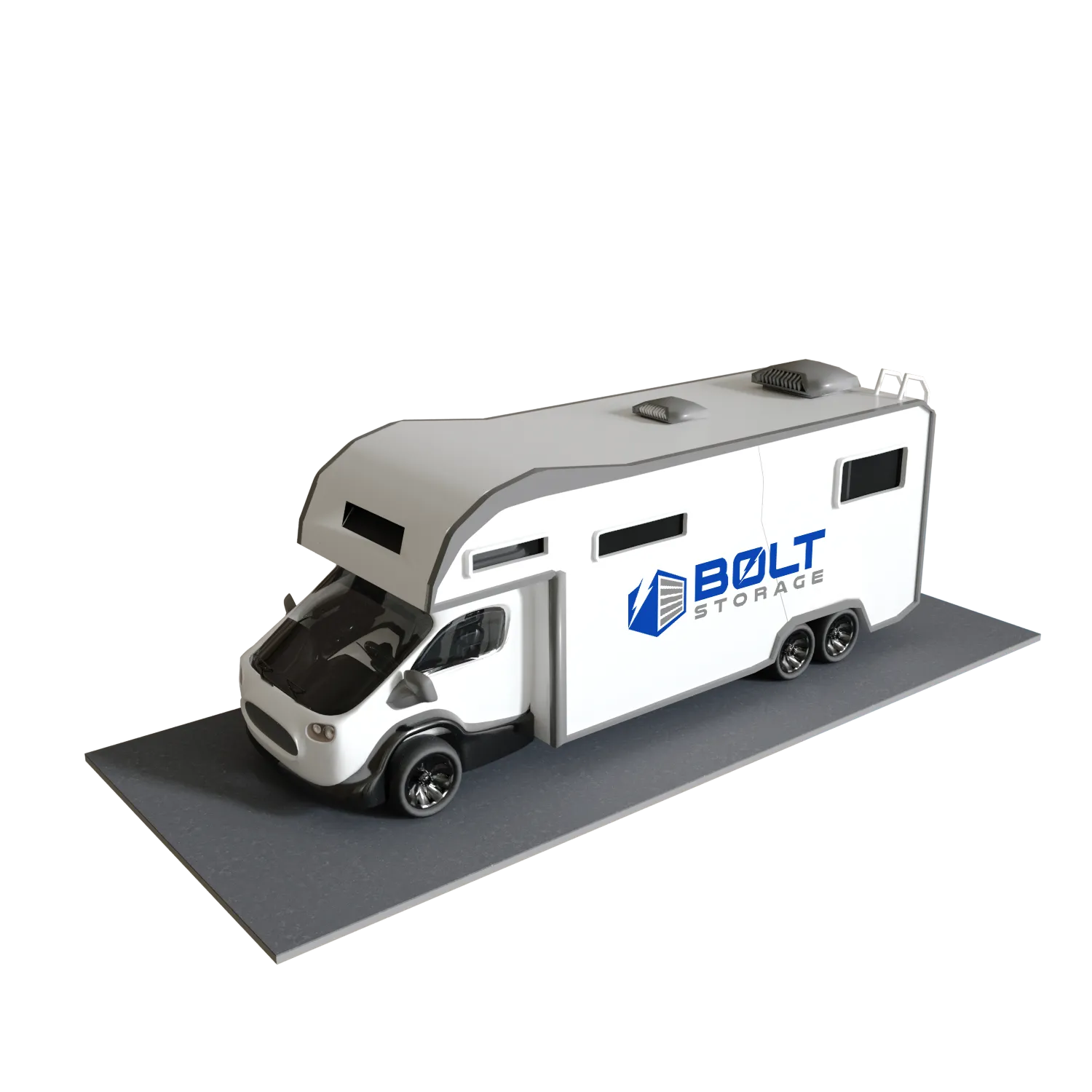
Most storage facilities that offer vehicle storage require the vehicle to be registered and insured. Unregistered, inoperable, or abandoned vehicles are typically prohibited — they're a liability concern and in many states, storing them without proper documentation violates local ordinances.
What to do instead: Confirm your vehicle's registration and insurance are current before reserving a vehicle storage space. Contact your Bolt Storage location if you have questions about eligibility.
7. Important Personal Documents
Birth certificates, passports, Social Security cards, tax records, wills, and medical records should never live in a storage unit long-term. Storage units, while secure, are not fireproof or flood-proof. If something happens to the facility, these documents are irreplaceable.
What to do instead: Keep critical documents in a fireproof safe at home or a bank safe deposit box. Digitize copies as a backup.
8. High-Value Jewelry, Cash, and Collectibles
Storage units offer solid security — gated access, surveillance cameras, personal locks — but they're not designed to replace a bank vault or safe deposit box. Irreplaceable or high-value items like fine jewelry, cash, rare coins, or one-of-a-kind collectibles carry risk any time they're stored outside a purpose-built secure environment.
What to do instead: Keep truly irreplaceable valuables at home in a high-quality safe, or use a bank safe deposit box for small high-value items.
9. Firearms and Ammunition
Many storage facilities prohibit firearms and ammunition entirely. Where they are permitted, strict rules typically apply — weapons must be unloaded, properly cased, and stored in compliance with state and local laws. Storing ammunition alongside firearms is almost universally prohibited due to the fire and explosion risk.
What to do instead: Check your specific Bolt Storage location's policy before storing any weapons. When in doubt, a home gun safe is the more appropriate solution.
What Happens If You Store Prohibited Items?
If prohibited items are discovered in your unit, the consequences can include immediate lease termination, loss of access to your belongings, liability for any damage caused to other units or renters, and in serious cases, criminal charges.
It's not worth the risk. When in doubt, call your facility before you store.
FAQ: Prohibited Storage Items
Can I store a gun in a storage unit? It depends on the facility and your state's laws. Some Bolt Storage locations permit unloaded, properly secured firearms — but ammunition is typically prohibited. Always check with your specific location before storing weapons.
What happens if I accidentally store something prohibited? Contact your facility as soon as possible. Most facilities will work with you to remove the item before taking action, especially if it's an honest mistake. The risk increases significantly if prohibited items cause damage or are discovered during a routine inspection.
Can I store a car that doesn't run? Most facilities require vehicles to be registered and in operable condition. An inoperable vehicle may be declined — contact your Bolt Storage location to confirm their policy.
Is it okay to store cleaning supplies? Standard household cleaners in sealed containers are generally fine. Concentrated solvents, bleach in large quantities, or anything flammable falls under the hazardous materials prohibition. When in doubt, ask.
Can I store a propane grill? The grill itself is usually fine — but the propane tank must be completely emptied and disconnected before storing. Never store a grill with fuel attached.
Ready to store the right way? Find a Bolt Storage location near you and reserve your unit online in minutes.
Related Reads:
- What Size Storage Unit Do You Need for a 2-Bedroom Apartment?
- How to Create a Self-Storage Inventory List
- 24-Hour Storage Units: Do You Really Need One?
Find Storage Units Near You Up To 50% Off
Discover nearby storage units with up to 50% off at Bolt Storage. Affordable solutions for your storage needs. Find convenience without the high cost.
PRICE MATCH GUARANTEE
We will beat any price in town

.webp)

.png)