Most people think of self storage as something you need during a move. But one of the most practical uses is seasonal rotation — moving items out of your home when you're not using them and bringing them back when you are. Done consistently, it keeps your living space functional year-round without getting rid of things you actually need.
This guide covers what to store each season, how to store it properly so it survives until you need it again, and which storage features matter most for each time of year.
Spring Storage: Clear Out Winter, Make Room for Warmer Weather
Spring is the most natural time to rotate storage. Winter gear comes out of rotation, and most people are in a decluttering mindset anyway.
What to Store in Spring
Winter clothing and outerwear: Coats, heavy sweaters, thermal layers, snow boots, and gloves can take up significant closet space through spring and summer. Before storing, wash or dry clean everything — storing clothing with body oils or food residue attracts pests and sets stains permanently. Use breathable fabric bins or garment bags rather than sealed plastic containers, which trap moisture and can cause mildew over several months. Add cedar blocks or lavender sachets to deter moths.
Snow and ice equipment: Sleds, skis, snowboards, ice skates, and snow shovels are bulky and serve no purpose from April through October. Wipe down metal edges on ski and snowboard equipment before storing to prevent rust. Drain any fuel from snow blowers and add fuel stabilizer before putting them away for the season.
Holiday and winter decor: Christmas trees, lights, wreaths, and other seasonal decorations are some of the most storage-friendly items — they're already packed away in boxes for most of the year. Use hard-sided bins for fragile ornaments rather than cardboard, which degrades and attracts moisture.
Winter vehicle accessories: Snow chains, ice scrapers, roof racks, and winter floor mats don't need to live in your car or garage through summer. Clean and dry everything before storing to prevent rust and deterioration.
Storage Tips for Spring
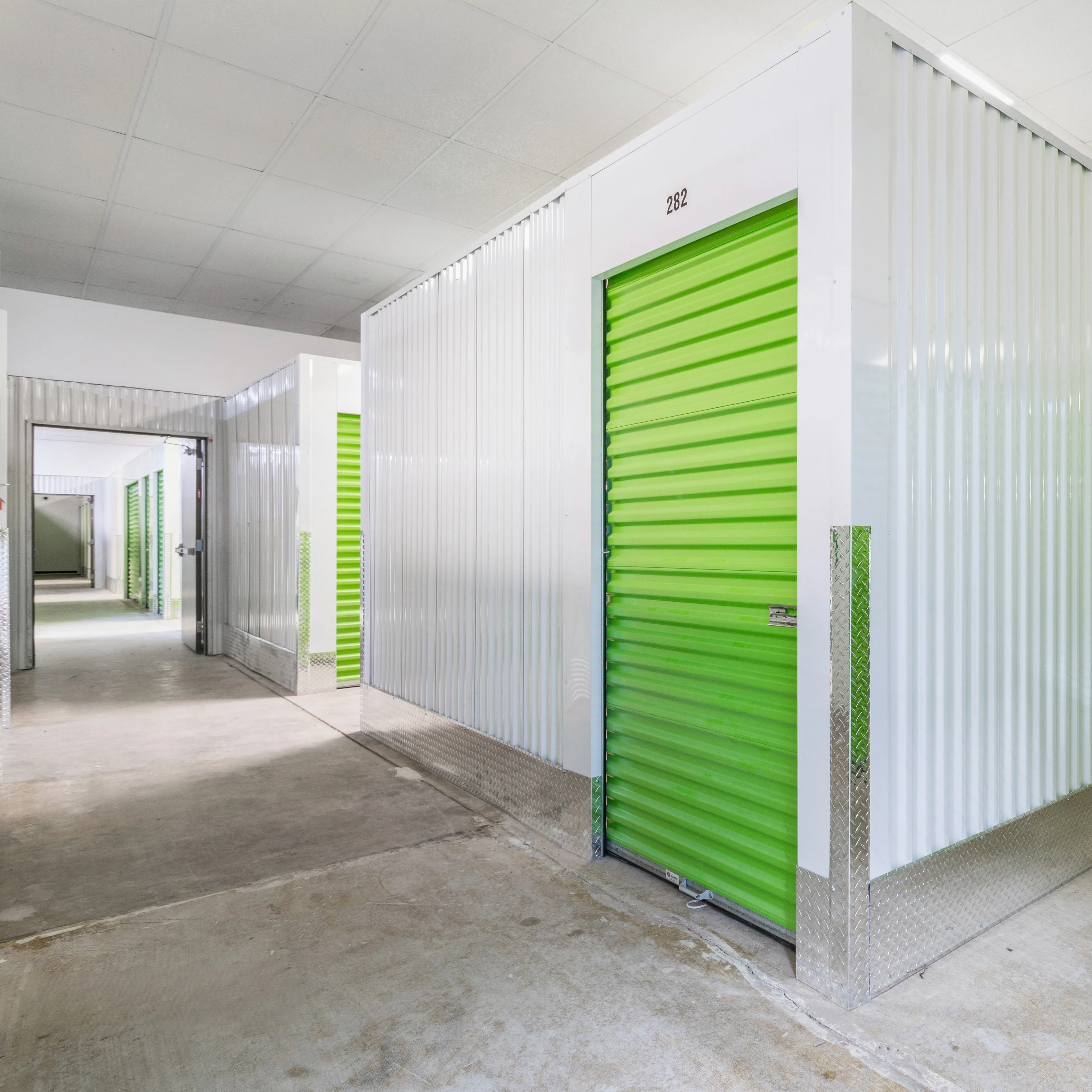
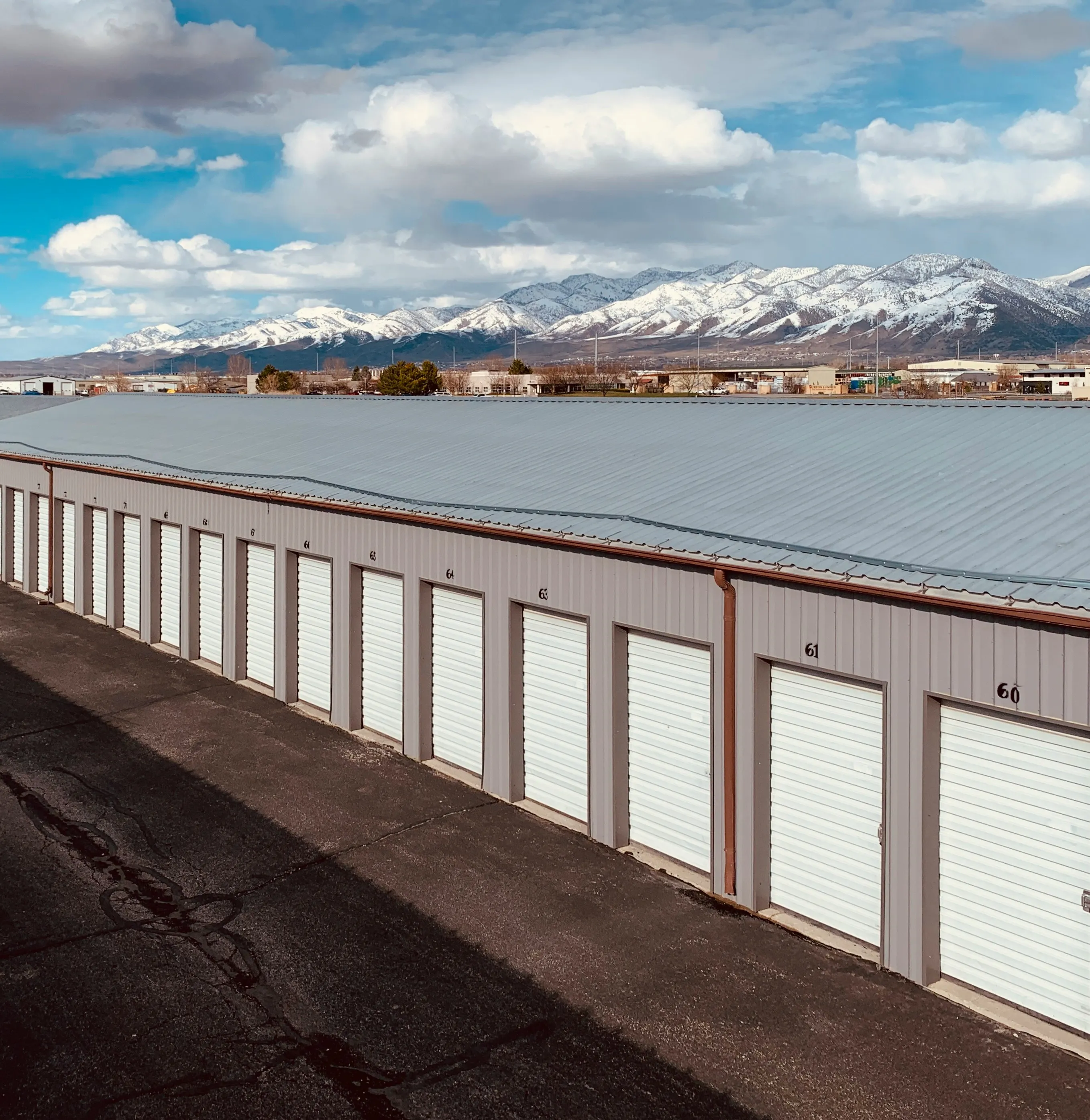
A standard drive-up unit works well for spring seasonal rotation — you'll be loading and unloading bulky items and don't need climate control for most of what's going in. If you're storing wood furniture, musical instruments, or electronics alongside seasonal items, a climate-controlled unit is worth the upgrade.
Summer Storage: Keep Your Home Functional During the Busiest Season
Summer brings visitors, outdoor activities, and for many families, kids home from school. Storage helps keep living spaces functional when they're being used more heavily.
What to Store in Summer
Heavy winter bedding: Wool blankets, down comforters, and flannel duvet covers take up significant closet and linen space. Store them in breathable cotton bags — not plastic — to prevent moisture buildup. Add a desiccant packet to absorb any humidity in the storage unit.
Student and dorm furniture: For college students heading home for the summer, a 5×10 or 5×5 unit near campus is far cheaper than moving everything home and back again. Desks, bed frames, mini-fridges, and dorm room basics store well and are ready to go when fall semester starts. See our student summer storage guide for more on sizing and what fits.
Spring cleaning and gardening supplies: Once the initial spring clean is done, bulky cleaning equipment, pressure washers, and gardening tools used for spring planting can rotate out until fall.
Watercraft and recreational vehicles: Jet skis, kayaks, canoes, paddleboards, and small boats need secure storage when not actively in use. Vehicle and boat storage keeps them protected and frees up driveway and garage space.
Storage Tips for Summer
Heat is the main threat in summer storage. Non-climate units can reach 110–120°F on hot days, which warps wood, degrades electronics, melts candles, and damages anything with adhesive. If you're storing furniture, artwork, instruments, wine, or electronics, a climate-controlled unit is essential during summer months — not optional. See our climate-controlled storage guide for help deciding.
Fall Storage: Swap Summer Out, Prepare for Cold
Fall is the mirror of spring — summer items come out of rotation as temperatures drop and you start pulling out cold-weather gear.
What to Store in Fall
Outdoor furniture and grills: Patio sets, outdoor sofas, dining tables, and grills left outside through winter suffer from freeze-thaw cycles, moisture, and UV exposure. Even covered furniture degrades faster outdoors. Clean and dry everything thoroughly before storing — any moisture trapped in cushions or furniture joints will cause mold and wood rot over winter. Store cushions in fabric bags, not plastic.
Pool and water equipment: Pool inflatables, hoses, pumps, and accessories need to be completely drained and dried before storage. Any remaining water will freeze and crack plastic components. Store inflatables deflated in a dry bin.
Lawn and garden tools: Mowers, edgers, trimmers, and garden hand tools should be cleaned, dried, and — for gas-powered equipment — either run dry or have fuel stabilizer added before storing for the season. Wipe down metal blades and edges with a light coat of oil to prevent rust.
Camping gear: Tents, sleeping bags, camp chairs, and coolers used during summer camping season can be cleaned and stored until next spring. Make sure tents are completely dry before packing — storing damp nylon causes permanent mildew damage.
Summer clothing: Swimwear, sandals, shorts, and lightweight clothing can rotate out of your closet as you pull in fall and winter layers. Same rules as spring clothing storage: wash first, use breathable containers, avoid sealed plastic for long-term storage.
Storage Tips for Fall
Fall is a good time to assess whether your unit size still fits your needs. You're typically adding bulkier items (outdoor furniture, equipment) and may need more space than you used during summer. It's also worth checking your climate-control situation — temperatures start dropping, and items that need stable conditions should be in a temperature-regulated unit before the first hard freeze arrives.
Winter Storage: Protect What Stays Behind When the Cold Sets In
Winter storage is less about rotation and more about protection — keeping items safe from cold, moisture, and freeze-thaw damage through the harshest months.
What to Store in Winter
Patio furniture and outdoor items that weren't stored in fall. If anything got left outside through early winter, it's not too late — get it into a unit before sustained freezing temperatures cause damage.
Seasonal vehicles. Motorcycles, convertibles, classic cars, ATVs, and RVs not driven in winter benefit significantly from indoor or covered storage rather than sitting exposed. Cold weakens batteries, causes tire flat spots, and allows moisture into seals. See our RV storage guide for a full pre-storage checklist.
Holiday decorations after the season ends: January is the most common time to rotate holiday items into storage. Hard-sided bins protect fragile ornaments; original boxes work well for larger items like artificial trees. Label everything clearly — you'll thank yourself next November.
Items from downsizing or estate transitions: Winter is a common time for home purchases, estate cleanouts, and family transitions. A storage unit provides a buffer space to sort through belongings without pressure.
Storage Tips for Winter
Winter is typically the lowest-demand season for storage, which often means better availability and occasionally promotional pricing — worth asking about when you rent. If you're storing wood furniture, instruments, artwork, or anything with delicate finishes, maintain climate-controlled storage through winter. Extreme cold is as damaging as extreme heat for many materials.
Year Round Storage Tips
Regardless of the season, these practices protect your belongings and make your storage unit easier to use.
Pack for access, not just capacity: Leave a center aisle if your unit is large enough. Place items you'll need to retrieve seasonally near the front. Pack heavier items on the bottom, lighter and fragile items on top.
Use the right containers: Clear plastic bins let you see contents without opening everything. Hard-sided bins protect against stacking pressure and pests better than cardboard. Use wardrobe boxes for hanging clothing. Avoid black garbage bags — you'll never find anything.
Label everything on the side, not the top: When boxes are stacked, you can only see the sides. Labels on top are invisible when you need them most.
Use moisture protection: Moisture absorbers (like DampRid) are inexpensive and effective for fabric, paper, and wood items. Replace them every 1–3 months depending on your climate. Elevate boxes off the floor on pallets or shelving if your unit is in a humid area — moisture wicks up from concrete floors.
Keep a digital inventory: Before closing your unit, take a quick video walkthrough on your phone. A written or spreadsheet inventory makes it easy to track what's stored without making a trip. Here's how to create a storage inventory list.
Visit your unit periodically: Monthly check-ins catch issues early — moisture buildup, pest activity, or anything that shifted during loading. It also keeps the unit manageable rather than letting it become a space you dread opening.
Choosing the Right Unit for Seasonal Storage
The right unit depends on what you're storing and how often you need access:
Size: For a single season's worth of clothing and gear, a 5×5 or 5×10 is usually enough. For full household seasonal rotation — furniture, outdoor equipment, vehicles — you'll need a 10×10 or larger. Use our Storage Size Guide for room-by-room help.
Climate control: Essential for wood furniture, instruments, artwork, electronics, wine, candles, and anything with adhesive or delicate finishes. For clothing, tools, and most outdoor equipment, a standard unit is fine.
Access hours: If you're rotating items in and out seasonally, 24/7 access is a convenience rather than a necessity. If you're running a business or need frequent access, it matters more.
Month-to-month leases: Seasonal storage works best with flexible rental terms. Most Bolt Storage locations offer month-to-month rentals with no long-term commitment required.
Browse Bolt Storage locations to find a facility near you and check availability for the unit type you need.
FAQ: Seasonal Self Storage
When is the best time to rent a storage unit for seasonal use? Rent before you need it, not when you're already in the middle of a transition. Spring and fall are the busiest rental periods — availability can be tighter and rates slightly higher during peak demand. If you know you'll want summer storage for student dorm items, for example, reserve the unit in April rather than May.
Do I need climate-controlled storage for seasonal items? It depends on what you're storing. Clothing, tools, outdoor furniture (metal and plastic), and holiday decorations generally do fine in standard units. Wood furniture, instruments, electronics, wine, artwork, leather goods, and anything with adhesive or delicate finishes should be in climate-controlled storage — especially through summer heat or winter cold.
How do I prevent mold and mildew in seasonal storage? Make sure everything going into storage is completely clean and dry. Use breathable containers rather than sealed plastic for fabrics. Add moisture absorbers to the unit and check them monthly. If you're in a humid climate or storing through summer, a climate-controlled unit significantly reduces mold risk.
What's the most common mistake people make with seasonal storage? Storing items dirty. Food residue, body oils, and moisture left on clothing, furniture, and equipment cause permanent staining, pest attraction, and mold growth over months of storage. Everything going into a unit for a full season should be clean and dry before it goes in.
Can I access my unit to swap items between seasons? Yes — this is exactly what seasonal storage is designed for. Most Bolt Storage locations offer 24/7 access, so you can visit any time to drop off summer items and pick up fall gear, or vice versa. Check the specific location page for access hours at your facility.
Is seasonal storage worth it if I have a garage? Often yes. A garage used for seasonal storage typically ends up difficult to navigate, with cars parked outside and a constantly changing pile of gear taking up floor space. A dedicated storage unit keeps seasonal items organized, accessible, and protected — without sacrificing your garage as functional space.
Find Storage Units Near You Up To 50% Off
Discover nearby storage units with up to 50% off at Bolt Storage. Affordable solutions for your storage needs. Find convenience without the high cost.
PRICE MATCH GUARANTEE
We will beat any price in town




%2520(1).webp)