Storing an RV the wrong way is expensive. A single freeze can burst your pipes. Skipping pest prevention can mean a mouse nest in your engine bay. Leaving tires uncovered through a summer can cause cracking that makes them unsafe to drive on. Done right, proper RV storage takes a few hours of prep and saves you from repairs that routinely run into the thousands.
This guide covers everything: choosing the right storage type, preparing your RV before you close it up, climate-specific tips, security, maintenance during storage, and how to get road-ready again when it's time to go.
Choosing the Right RV Storage Option
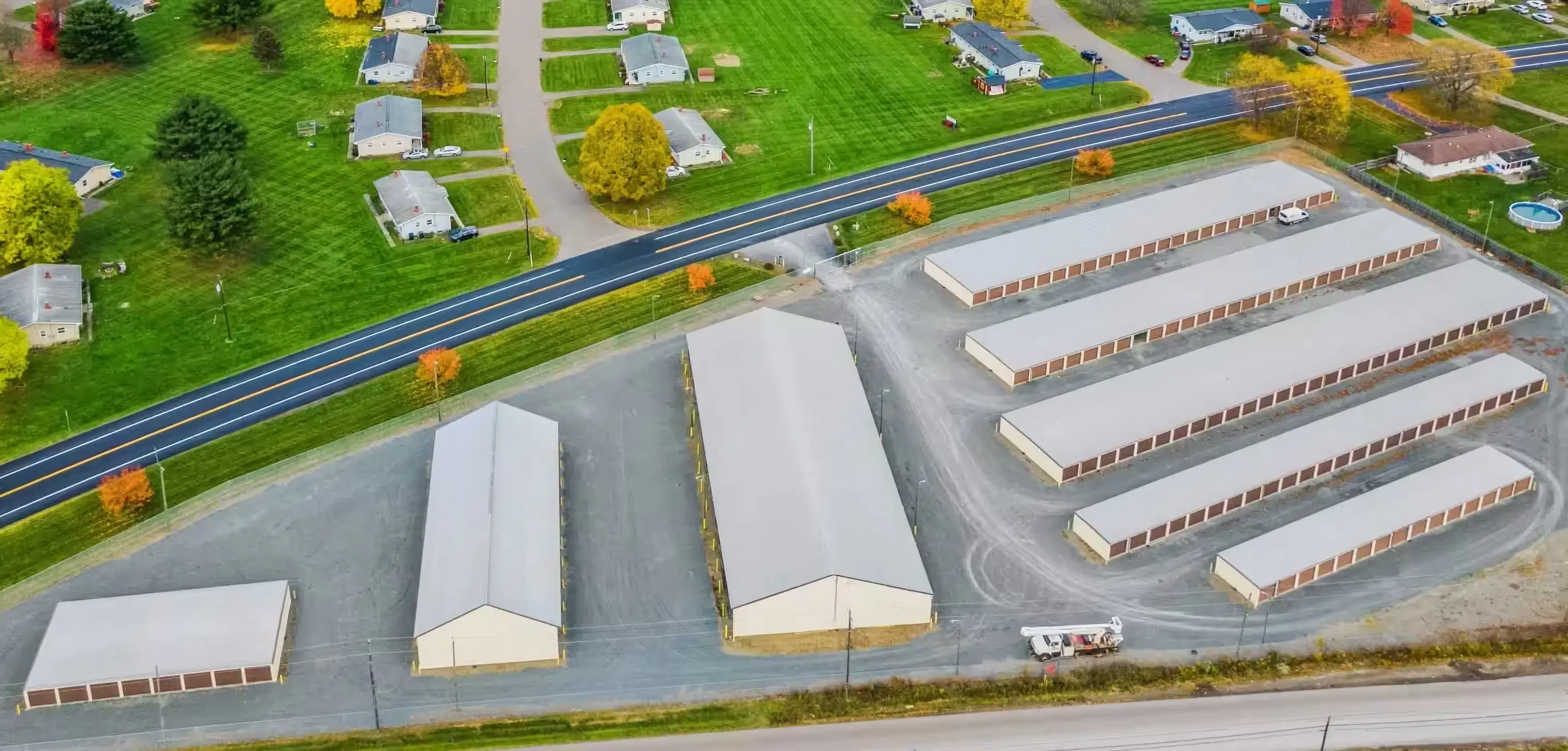
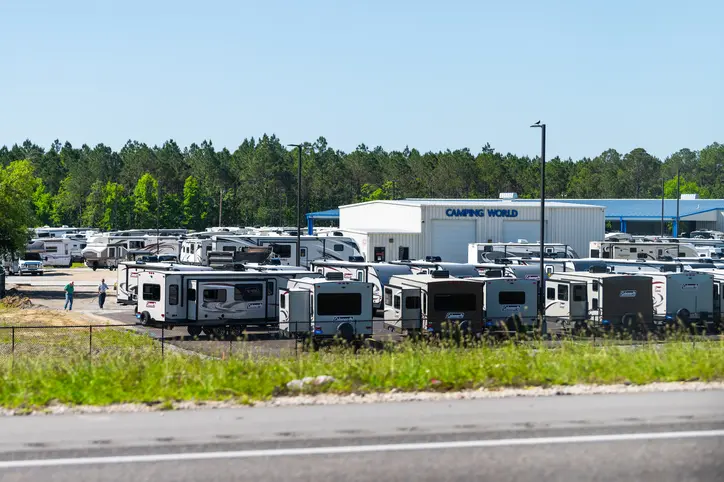
You have three main storage choices, each with different costs and protection levels.
If you're storing outdoors, a quality RV cover is worth the investment — it blocks UV rays, deflects rain, and reduces the amount of cleaning you'll need to do before your next trip.
What to look for in a storage facility:
- Gated access with individual entry codes (not shared codes)
- 24/7 surveillance cameras covering key areas
- Good lighting throughout — especially unit rows and entry points
- Paved or gravel surfaces with proper drainage
- Flexible access hours, ideally 24/7
- Location close to home for easy check-ins
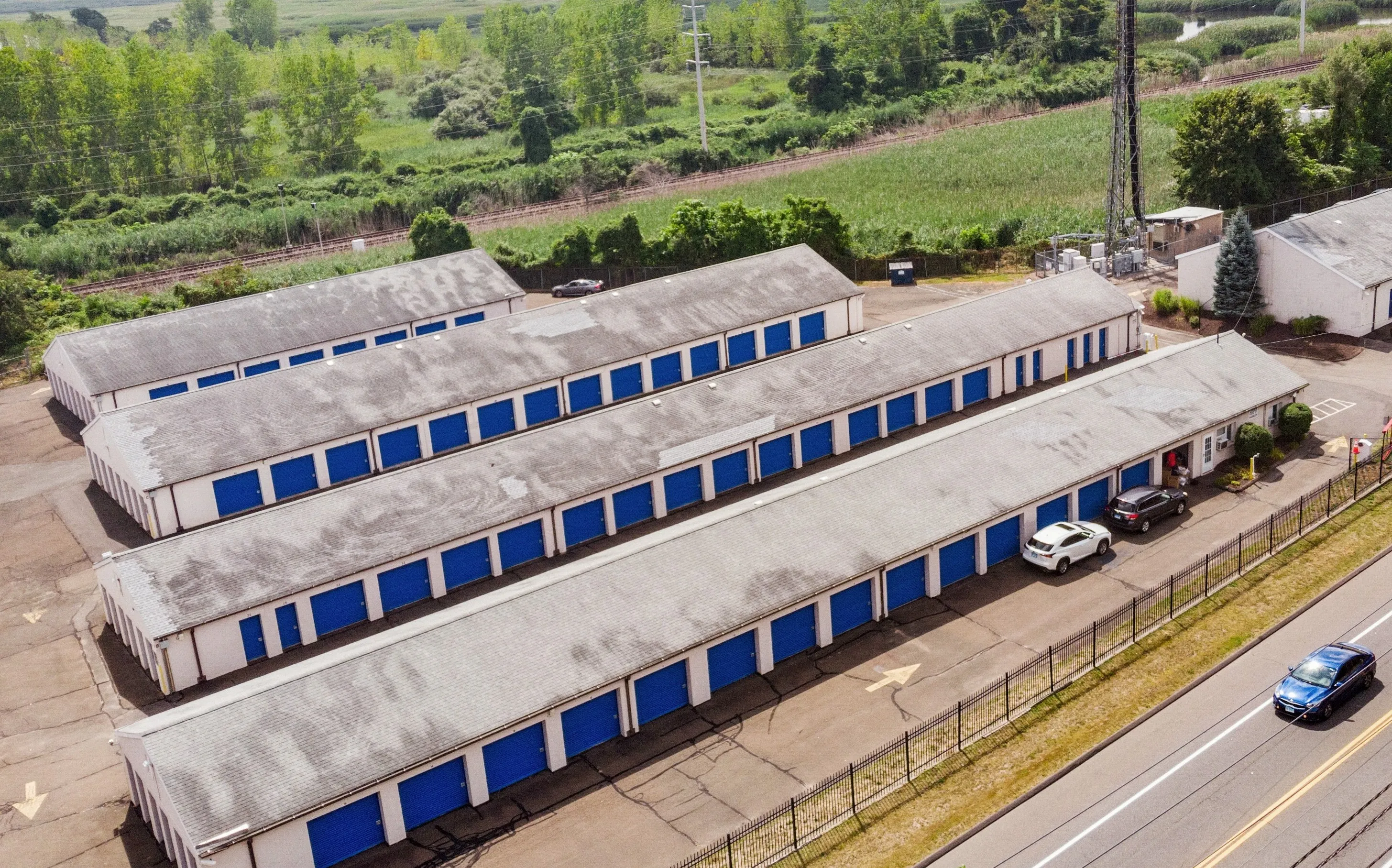
Bolt Storage offers outdoor RV parking at locations across the East Coast with gated access, 24/7 surveillance, and month-to-month rentals. Find a location near you.
Preparing Your RV for Storage
Proper prep prevents most storage-related problems. Budget 3–4 hours for a thorough job before you close it up.
Clean Inside and Out
Exterior: Wash the entire RV to remove dirt and road grime, paying extra attention to the roof where debris accumulates and causes leaks. Apply RV wax for added UV protection and check for any damage while you're at it.
Interior: Vacuum all carpets and upholstery, wipe down surfaces with disinfectant, and clean appliances thoroughly. Remove all food — including non-perishables — because even sealed packaging attracts pests. Empty and clean the refrigerator and leave the door slightly cracked to prevent mildew.
Mechanical Checks
Engine and fluids: Change the oil before storing — old oil is acidic and can corrode engine components over time. Top off coolant, brake fluid, and transmission fluid. Run the engine for 10 minutes to circulate fresh oil through the system. Fill the gas tank and add fuel stabilizer to prevent the fuel from degrading.
Tires: Inflate to maximum PSI (check the sidewall), inspect for cracks or bulges, and cover tires to block UV exposure. If you're storing for more than a few months, consider tire cradles to prevent flat spots from developing under the weight of the vehicle.
Batteries: Disconnect all batteries to prevent slow draining. Clean terminals with a wire brush, and if you're storing for more than 30 days, use a trickle charger to maintain charge. Store batteries in a cool, dry location — not somewhere that freezes.
Winterization (Freezing Climates Only)
If temperatures at your storage location drop below 32°F at any point during storage, winterize your plumbing. One freeze is all it takes to burst a pipe.
- Drain all water tanks: fresh, gray, and black
- Drain the water heater completely
- Blow out water lines with an air compressor
- Add 2–3 gallons of RV antifreeze to the system
- Pour antifreeze down all drains and flush the toilet to protect the trap
Pest Prevention
Mice and insects are drawn to RVs because they offer warmth, shelter, and often traces of food. A few steps before storage keep them out.
Seal entry points: Check around doors, windows, and vents for gaps. Seal any openings with weatherstripping or expanding foam. Cover exhaust pipes and roof vents with fine mesh screens. Check underneath the RV for holes or unsealed gaps.
Use deterrents: Place mothballs or dryer sheets in cabinets and storage compartments — rodents dislike the smell. Set snap traps in areas you can easily check during monthly visits. Spray natural pest repellent around the perimeter and make absolutely sure no food remains anywhere inside.
Climate-Specific Storage Tips
Cold Weather Storage
Beyond winterizing the plumbing, cold weather storage requires a few additional steps. Use fuel stabilizer in the gas tank, remove batteries and store them indoors, and cover the RV if it's stored outside. Check roof seals before storing — ice expands in any weak spot and can cause leaks you won't discover until spring. Crack a window slightly for ventilation and use moisture absorbers inside to prevent mildew from forming while the RV is sealed up.
Hot Weather Storage
Heat and UV exposure are the biggest threats in warm climates. Park in shade if possible, and use an RV cover or UV-resistant tarp. Crack windows or roof vents for airflow and use vent covers to allow passive ventilation without letting rain in. Place sunshades in the windshield and windows to reduce interior heat buildup. Cover leather furniture to prevent cracking, close blinds to reduce sun exposure, and use tire covers — heat degrades rubber faster than cold does.
Humid Climate Storage
High humidity causes mold, mildew, and corrosion quickly. Use a dehumidifier — electric or rechargeable — and place moisture absorbers throughout the interior. Leave cabinet doors and drawers slightly open to allow airflow. If you have power access at your storage spot, a small fan helps significantly. Plan on monthly check-ins to replace moisture absorbers before they saturate.
Security During Storage
Physical security starts with the storage facility — gated access, surveillance, and good lighting are your baseline. Beyond the facility itself:
On the RV: Use high-quality locks on all doors. Add a hitch lock to prevent towing and wheel locks for additional protection. Consider a GPS tracker for a vehicle of this value — they're inexpensive and give you real-time location if the RV is moved. Use window covers so the interior isn't visible to people passing through the facility.
Documentation: Photograph the RV thoroughly before storing — exterior on all sides, interior, and the odometer reading. Keep receipts for any improvements or repairs. Verify that your RV insurance policy covers the vehicle during storage, and ask your insurer whether a storage-specific coverage discount is available.
Maintenance During Storage
Don't store it and forget it. Regular check-ins catch small problems before they become expensive ones.
Monthly Inspection
Visit your RV once a month if possible and look for: water leaks around the ceiling, windows, and door seals; pest activity like droppings, nests, or chewed materials; tire pressure (tires lose 1–2 PSI per month naturally); unusual odors indicating mold, mildew, or a fuel issue; and battery charge level if you're using a trickle charger.
While you're there: move the RV forward 1–2 feet to prevent flat spots from developing, open doors and windows for 15 minutes to air it out, check and replace moisture absorbers if they're full, and test a couple of systems — lights, water pump — to make sure things are still functioning.
Seasonal Deep Check
Every 3–4 months, do a more thorough inspection. Examine the roof for damage or deteriorating sealant. Check all seals around windows and doors. Look underneath for rust or corrosion. Test all appliances briefly. Clean and recharge dehumidifiers and replace pest deterrents.
Getting Your RV Road-Ready Again
When it's time to use your RV, don't just start the engine and drive. A proper de-storage check takes about an hour and catches anything that developed during storage.
Reverse Winterization
If you used antifreeze, flush it out completely before using the water system. Connect to a fresh water source and run all faucets until the water runs clear and tastes clean. Flush the toilet multiple times. Drain and refill the fresh water tank 2–3 times. Replace the water filter. Then inspect all plumbing connections for leaks — check under sinks, around the toilet, and at the water heater connections.
Mechanical Systems Check
Before starting the engine, check all fluid levels, inspect belts and hoses for cracking, look underneath for any leaks, and verify tire pressure is set to proper driving PSI (not the maximum storage PSI). Start the engine and let it idle for 5 minutes. Listen for anything unusual, check that gauges read normal, and test brakes in a parking lot before driving on the road. Verify all lights and turn signals work.
Run the generator for 10 minutes and test all appliances — refrigerator, stove, AC, heater. Check electrical outlets and test any slide-outs. Verify the propane system is functioning properly.
Clean and Restock
Wash the exterior, vacuum and wipe down the interior, and air out the RV for several hours before your first trip — especially if it's been closed up through a humid season.
Restock your essentials: fresh water hose, sewer hose and fittings, leveling blocks, toilet paper and toiletries, kitchen basics, first aid kit, flashlights with fresh batteries, and a basic tool kit.
FAQ: RV Storage
How long can I store my RV without starting it? With proper preparation — fuel stabilizer, disconnected batteries, and a trickle charger — most RVs can be stored for 6–12 months without issues. Beyond that, plan on more thorough mechanical checks before driving. The bigger risk isn't the engine sitting idle; it's what happens to tires, seals, and the plumbing system if prep steps are skipped.
Do I need to winterize my RV even in storage? Yes, if temperatures at the storage location drop below 32°F at any point. It doesn't matter if it only freezes for one night — that's enough to burst a water line. If you're unsure whether your storage location gets below freezing, winterize. The cost of antifreeze is far less than pipe repairs.
Should I use an RV cover for outdoor storage? Yes for long-term storage. A quality RV cover blocks UV rays, reduces sun damage to the roof and seals, keeps the exterior cleaner, and reduces the amount of work needed before your next trip. Make sure the cover is designed for RVs — it needs to breathe to prevent moisture buildup underneath.
What's the best way to prevent mice in my RV during storage? Remove all food (including sealed packages), seal every gap you can find with weatherstripping or foam, cover exhaust pipes and vents with fine mesh, place dryer sheets or mothballs in cabinets, and set snap traps in accessible spots you can check monthly. No single deterrent is foolproof — layering multiple approaches is the most effective strategy.
Is outdoor RV storage safe? It depends on the facility. Outdoor storage at a well-secured facility with gated individual-code access, surveillance cameras, good lighting, and active management is reasonably safe. Outdoor storage at a basic lot with a shared padlock on the gate is a different story. Evaluate the facility's security features, not just the price.
Does RV insurance cover storage? Most comprehensive RV insurance policies cover the vehicle during storage, but coverage specifics vary. Some insurers offer reduced-rate storage coverage when the RV is not in use. Call your insurer before storing to confirm what's covered and ask about any available discounts. Document the RV's condition with photos before storing in case you need to file a claim.
Find Storage Units Near You Up To 50% Off
Discover nearby storage units with up to 50% off at Bolt Storage. Affordable solutions for your storage needs. Find convenience without the high cost.
PRICE MATCH GUARANTEE
We will beat any price in town
.avif)
.webp)
.webp)

.jpg)